

Resource Center
Vaping Myths: Five Things You Need to Know

Continue With This Resource
Sutra Quick Brief
What You Should Know
The short version of the key points, questions, and pointers you will find as you read on.
Overview
Key Takeaways
- Several widely repeated claims about vaping are oversimplified or lack strong support.
- Vaping is not odorless; it usually produces less odor than smoke, but a scent remains.
- Odor can vary with the material vaped and the temperature setting used.
- Research into vaping is ongoing, so claims are best treated with some caution.
- For any health related question, rely on reputable medical sources rather than word of mouth.
Questions This Resource Answers
- What are some common talking points people raise about vaping?
- Is vaping actually odorless?
- Why should you treat vaping claims with caution?
Recommended Products
Shop Vaporizers
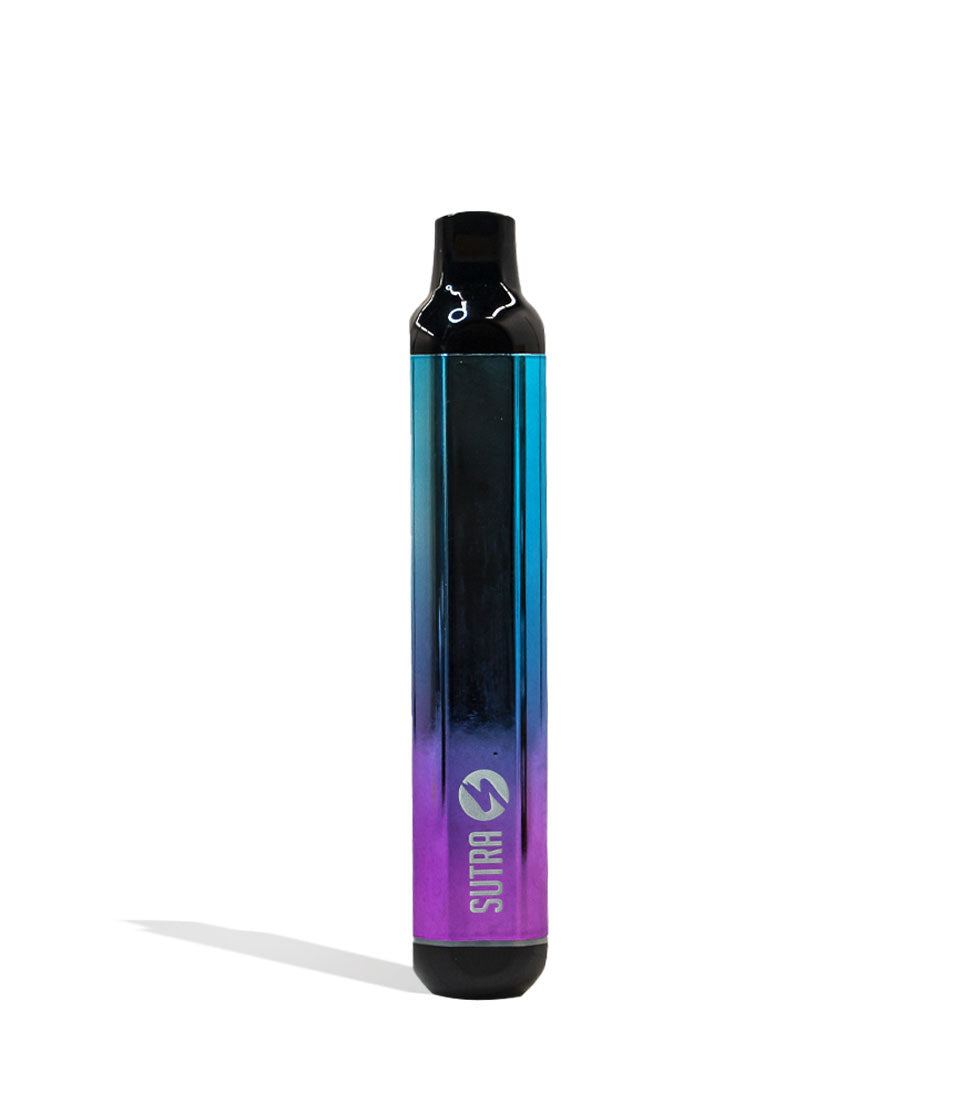
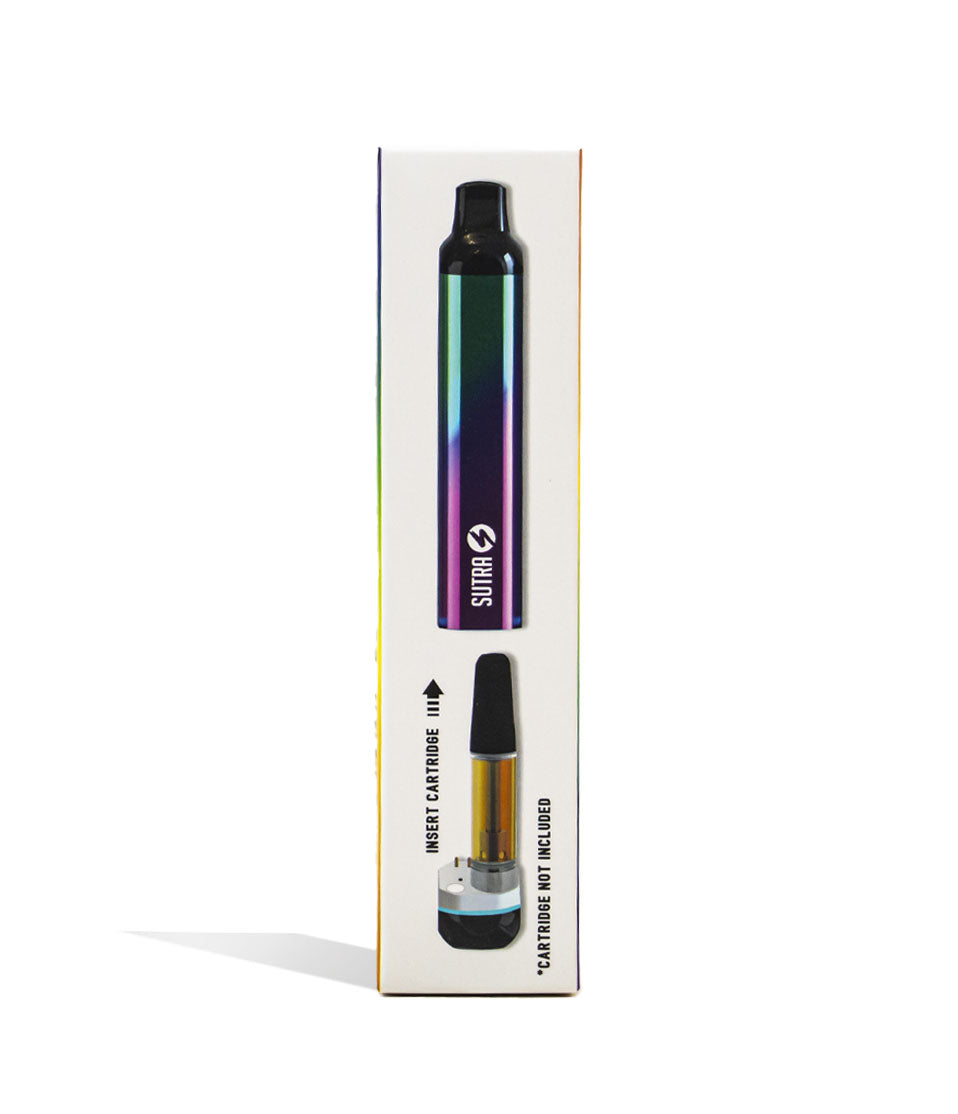
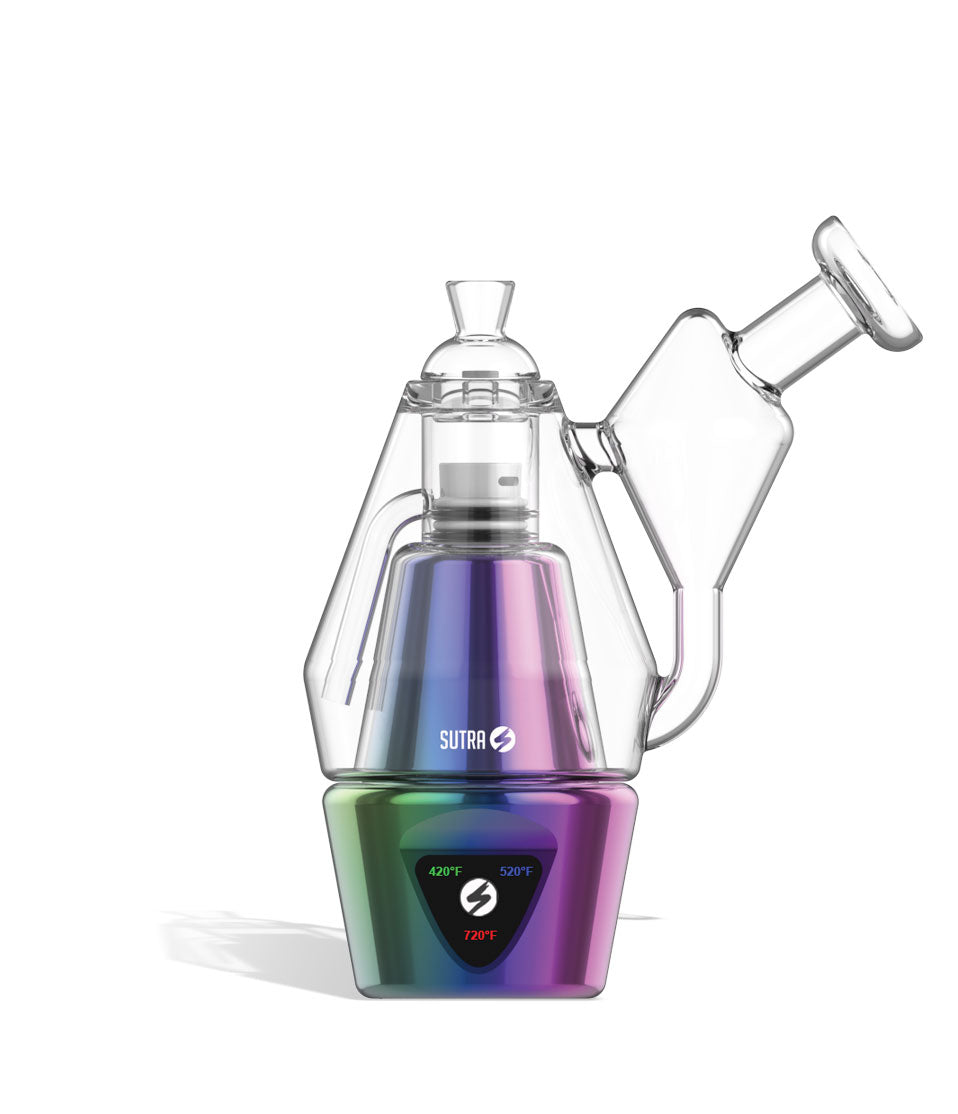
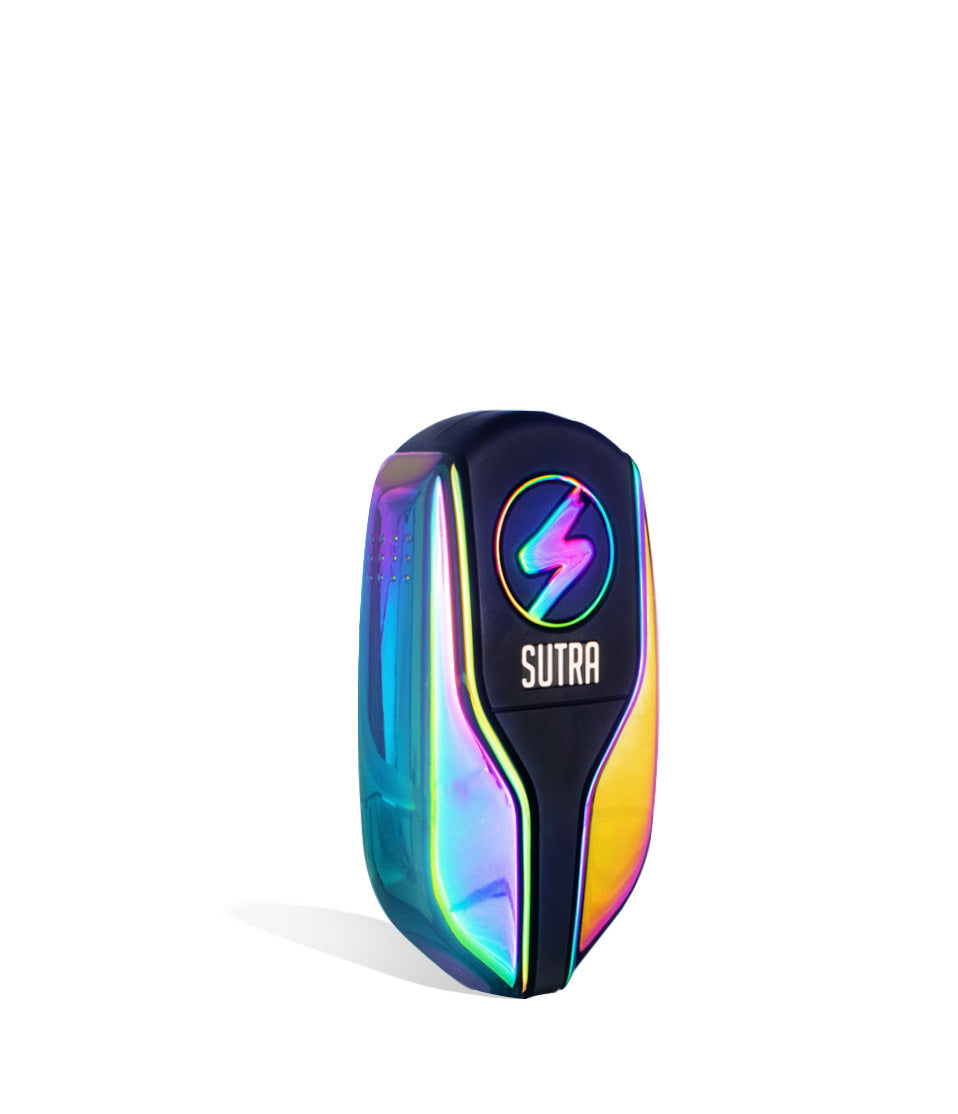
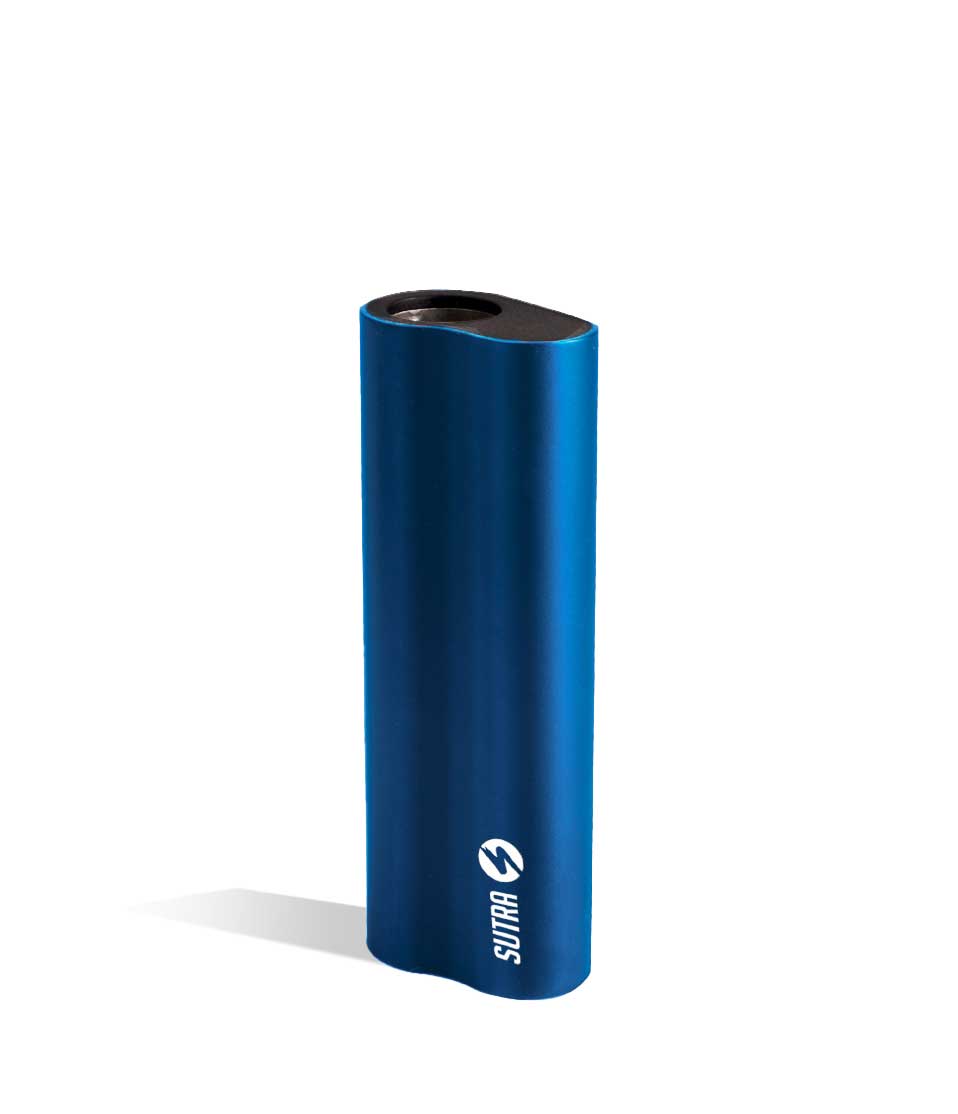
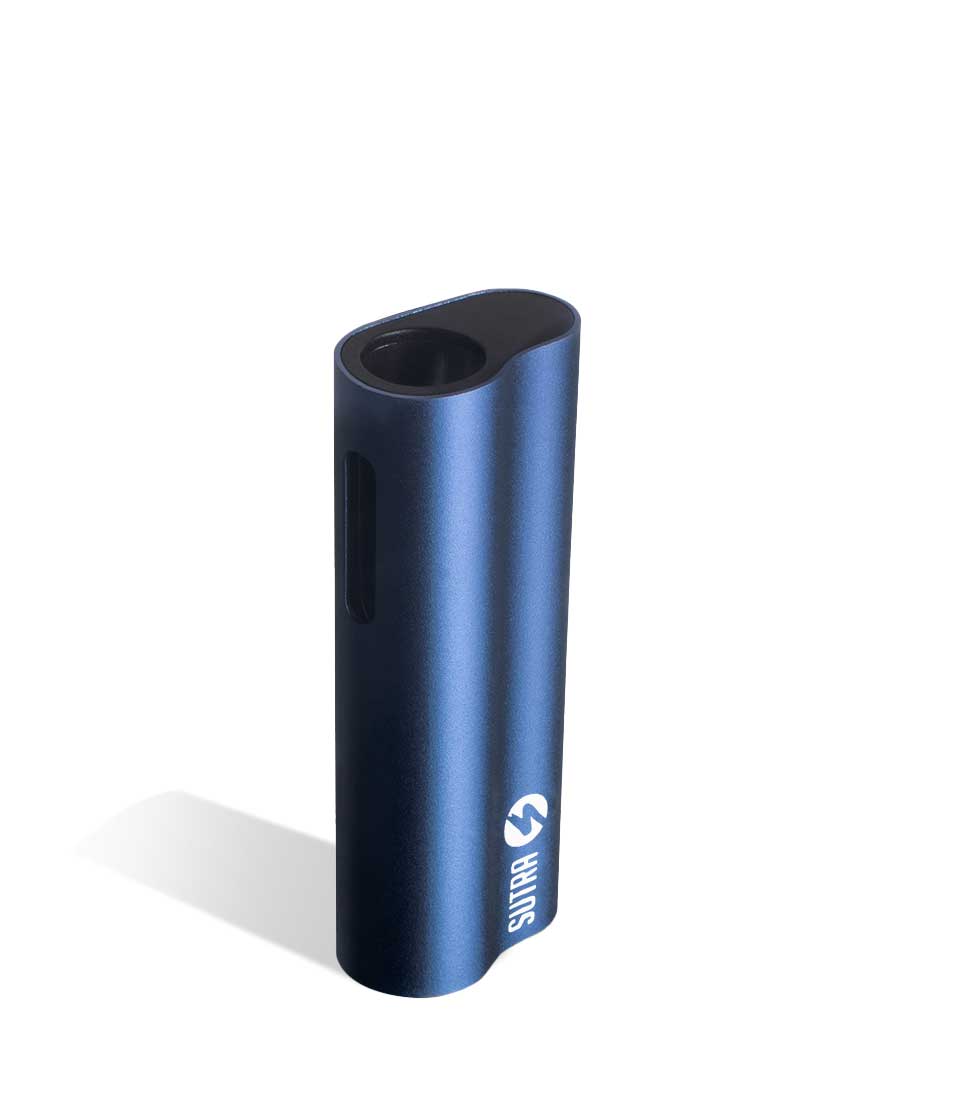
Take a closer look at the devices and gear this guide walks you through.
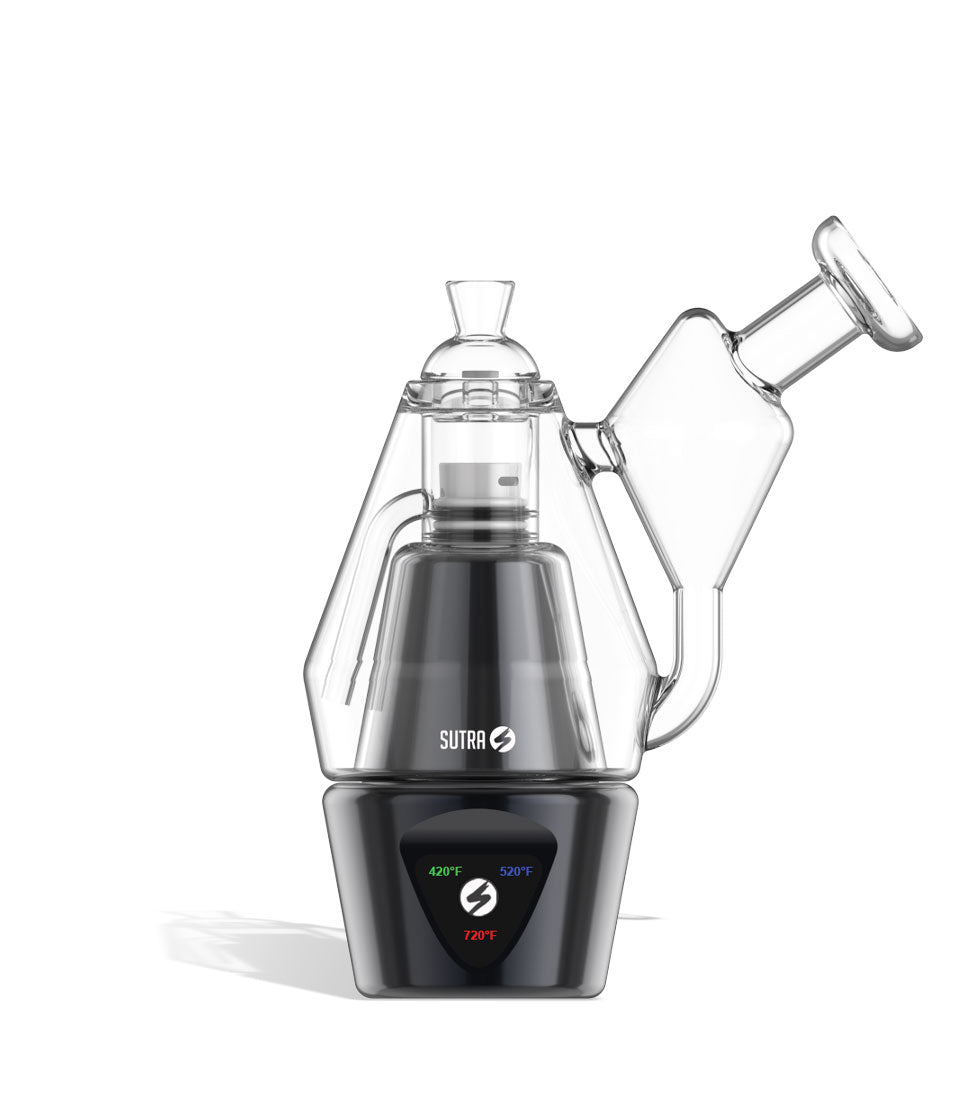
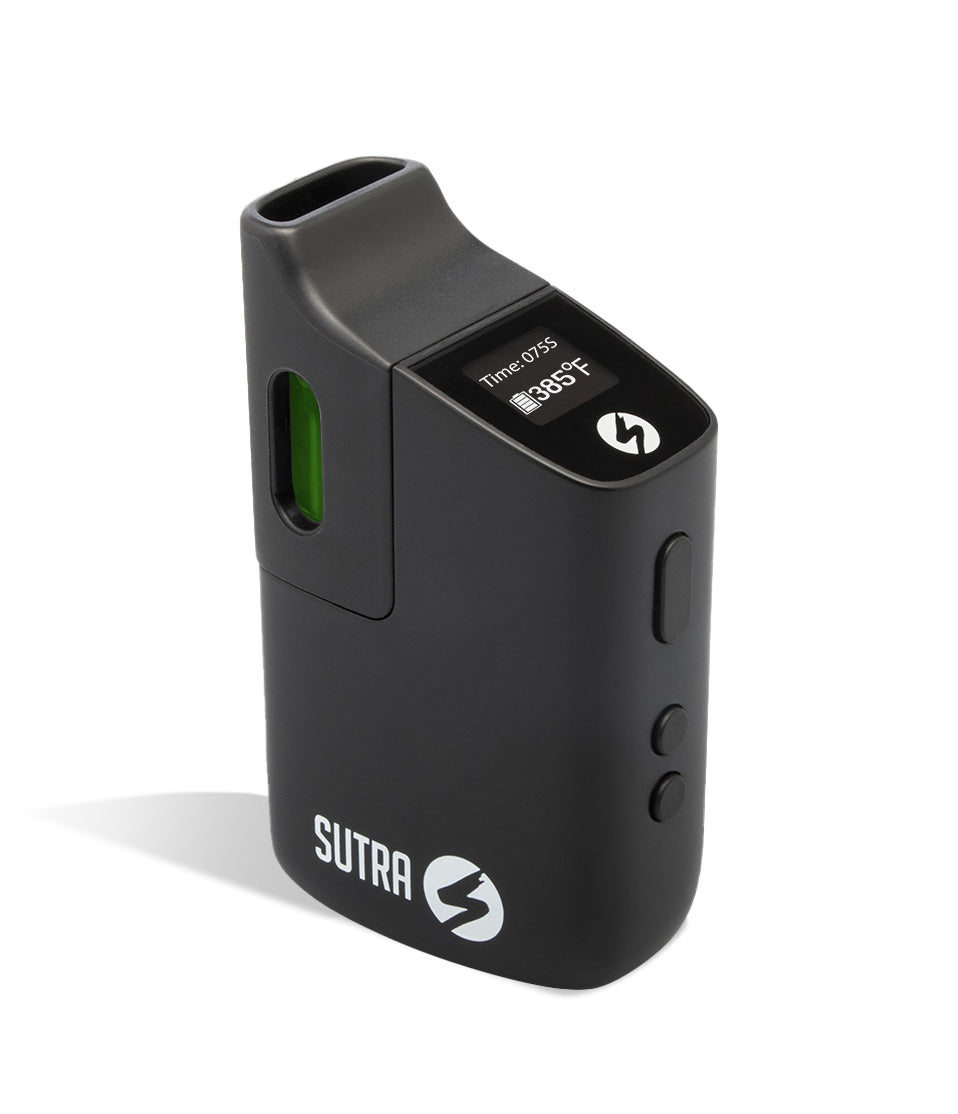
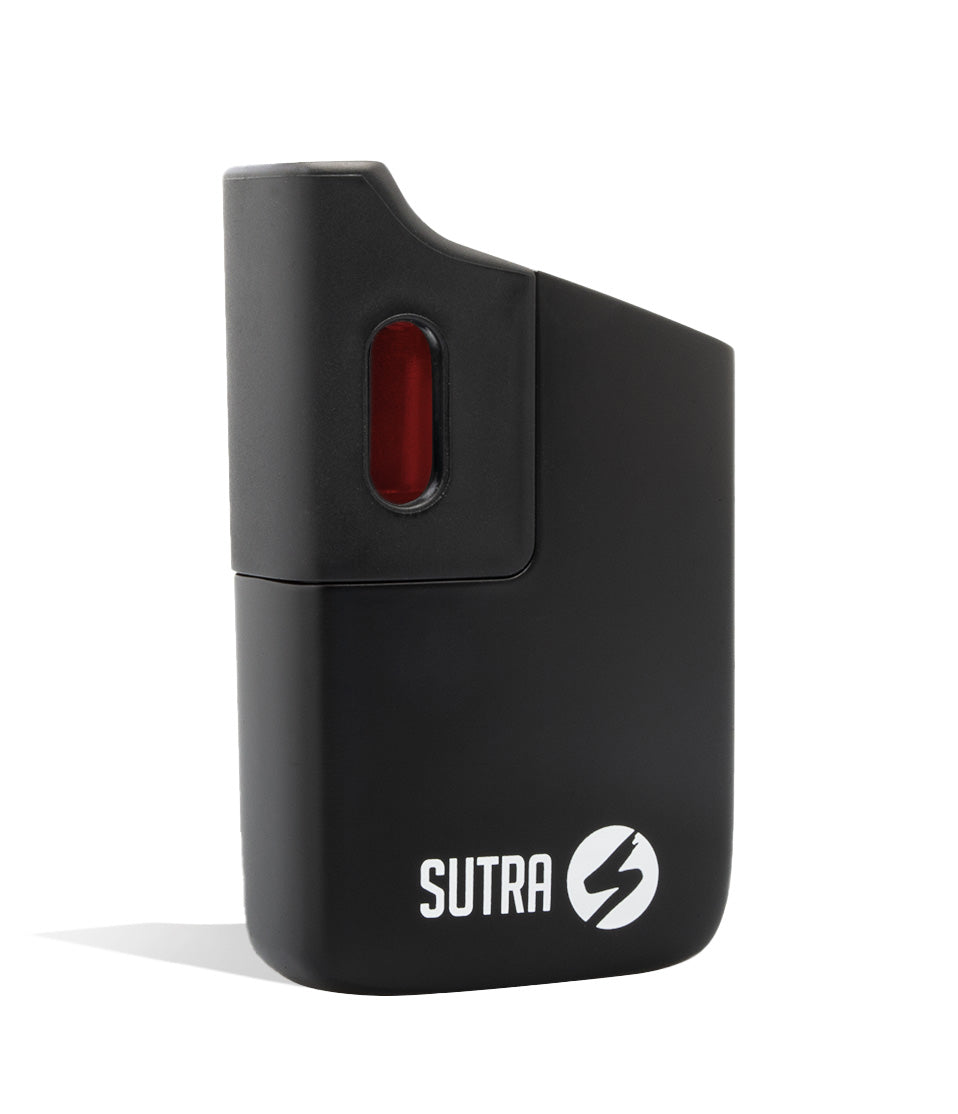
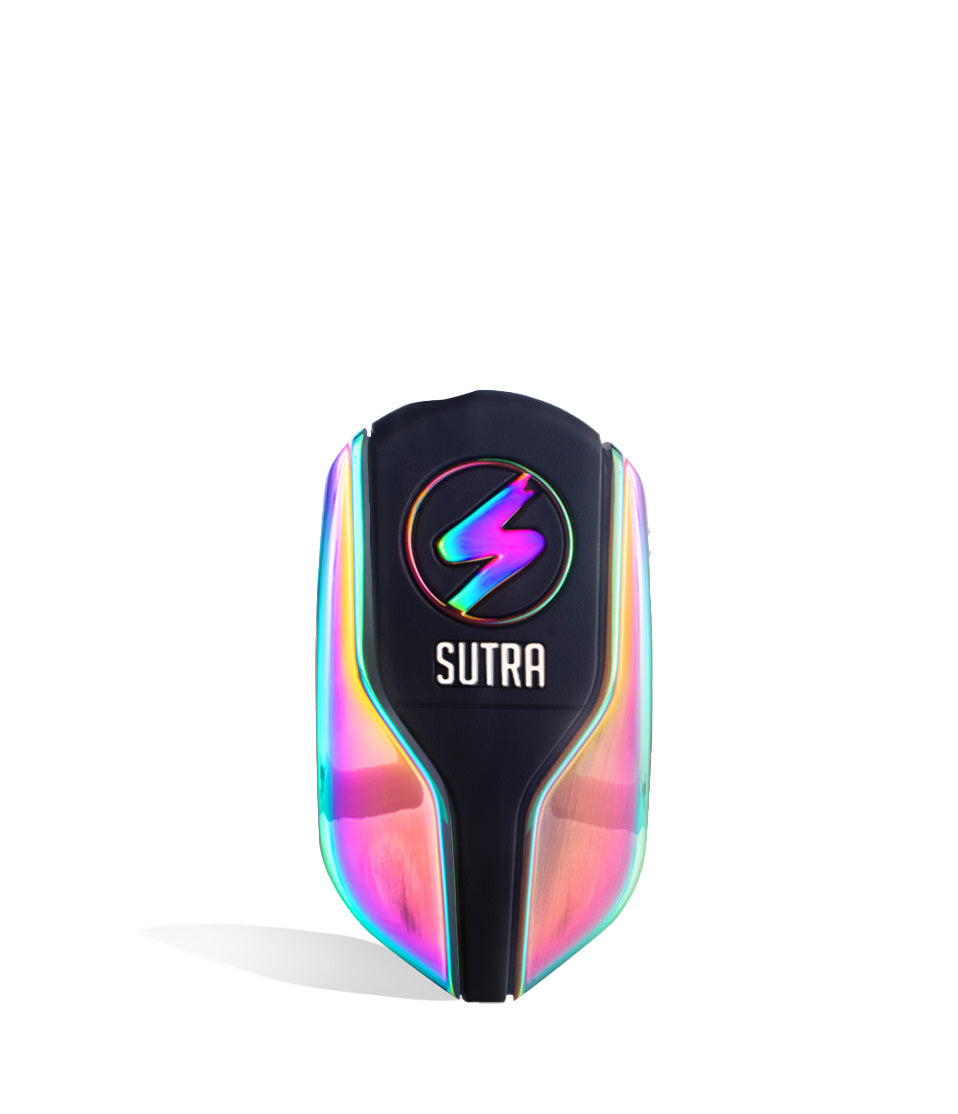
Category Guide
Category Breakdown
Read on and the full guide unpacks the category, the ways people use it, and how to settle on one within it.
As vaping has grown more popular, plenty of claims and opinions circulate in the community, and it can be hard to tell fact from rumor. Below we look at a few common talking points people raise about vaping dry herb, concentrates, and oil cartridges, and add context where it helps. One thing up front: for anything to do with health or safety, we point you to reputable sources and qualified professionals rather than word of mouth. This article sticks to product and experience facts.
Myth 1: Vaping and Smoking Are the Same Thing
People sometimes lump vaping and smoking together, but as a process they are different. Smoking burns material and produces smoke. Vaping heats material to release its compounds as vapor without necessarily burning it. That is a factual difference in how the two work. For any questions about health effects, that is a conversation for reputable medical sources, not a blog.
Myth 2: The Industry Targets Minors
Vape companies operate under strict rules that prohibit advertising to teens, and reputable smoke shops and vape businesses do not allow minors into their stores. While flavors are sometimes assumed to be aimed at younger people, flavor variety is a longstanding feature of many adult products across categories. Responsible retailers take age restrictions seriously.

Myth 3: All Vaporizers Work the Same Way
Not all vaporizers are built alike. Devices differ in heating method (conduction versus convection), in the materials they are designed for (dry herb, wax, or oil), and in features like temperature control and filtration. The Sutra Mini, for example, includes a ceramic filter for dry herb sessions. The point is that the device and its design matter, so it is worth matching a vaporizer to how you actually plan to use it.
Myth 4: Temperature Does Not Change the Experience
Some people assume the temperature setting is just a number. In practice, temperature has a real effect on flavor, aroma, and the character of the vapor. Different compounds release at different temperatures, which is exactly why many devices offer temperature control. Experimenting with settings is one of the easiest ways to change up a session.

Myth 5: Vaping Is Odorless
Another common misconception is that vaping dry herb or oil cartridges produces no smell at all. While vaping generally produces less odor than burning material, it is not completely scent free. The vapor can still carry a noticeable smell, though it may not be as strong as smoke from burning plant material. The scent can also vary based on the material being vaped and the temperature setting you use.
Final Thoughts
Vaping is a topic with a lot of talk around it, and research into its health effects is ongoing. Sorting product facts from rumor helps you make informed choices, and for any health or safety question, reputable medical sources are the place to go. Just take one puff at a time and use good information.
If you want more tips about vaping, explore our Sutra Vape Blog. You can also browse our vaporizers to find the perfect setup for your preferences. At Sutra Vape, we are committed to giving you accurate product information.
Frequently Asked Questions
Category Guide FAQs
The questions that come up most around this guide, with answers you can lean on while you settle on your device.
Is vaping odorless?
Why do so many myths surround vaping?
Where should you look for health information about vaping?
Does temperature affect the smell of vaping?
Sutra Trust Center
About This Resource
A peek behind the scenes at how the Sutra editorial team researches this guide, reviews it, and keeps it current.
Editorial Standards
- Written for you, the person shopping for and living with the device.
- Checked for accuracy, clarity, and how genuinely useful it is when you shop.
- Grounded in up-to-date manufacturer specifications and official product documentation where we have them.
- Refreshed as devices, regulations, and category trends move forward.
- Rooted in deep, first-hand time with the products.
- Shaped to help you settle on the right device and feel good about it.
Research Methodology
This category guide is here to make a whole category feel approachable. It lays out how the category is organized, the features worth weighing, and the ways people actually use these devices, so settling on one feels clear instead of overwhelming.
- How the category is organized
- The ways people put these devices to use
- Which features are worth weighing
- Related gear and accessories
- How it plays out in real use
- A careful editorial pass
- Background product research
Supporting Sources
Any sources that back up this guide are gathered here so you can check the record for yourself.
Article Information
Intended Audience
- Everyday users
- First-time shoppers
- Seasoned enthusiasts
- Dry herb fans
- Concentrate fans
- Anyone leveling up their setup
Editorial Policy
We look back over Sutra guides on a regular basis so the advice stays dependable. When devices change, rules shift, or a category moves in a new direction, an article gets refreshed and carries an updated review date. Guidance you can count on before you buy and while you use your device.
Keep Exploring
Related Resources
A few more Sutra guides worth your time, picked to help you make the most of your setup.

Category Guide
Explore the influence of vaping cartridges on appetite and weight loss. Delve into aspects like calorie intake and fasting to c...
Read Resource →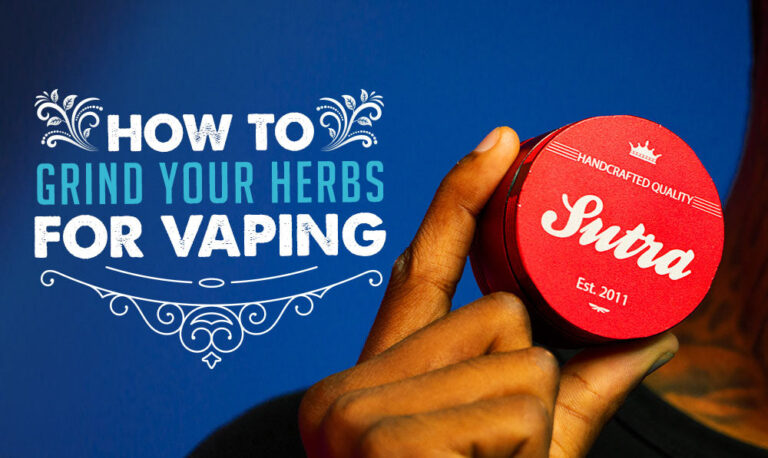
How-To
Keep your grinder grinding by following these tips from your friends over at Sutra Vape! Take a look at our tips to make sure y...
Read Resource →
Owners Guide
Take a quick look at our guide to temperatures on your Mini! Follow along as we break down how the low, medium, and high temper...
Read Resource →
Category Guide
Enjoy more flavors and smoother clouds by experimenting with low temperature vaporizing! Learn all about the advantages in dial...
Read Resource →